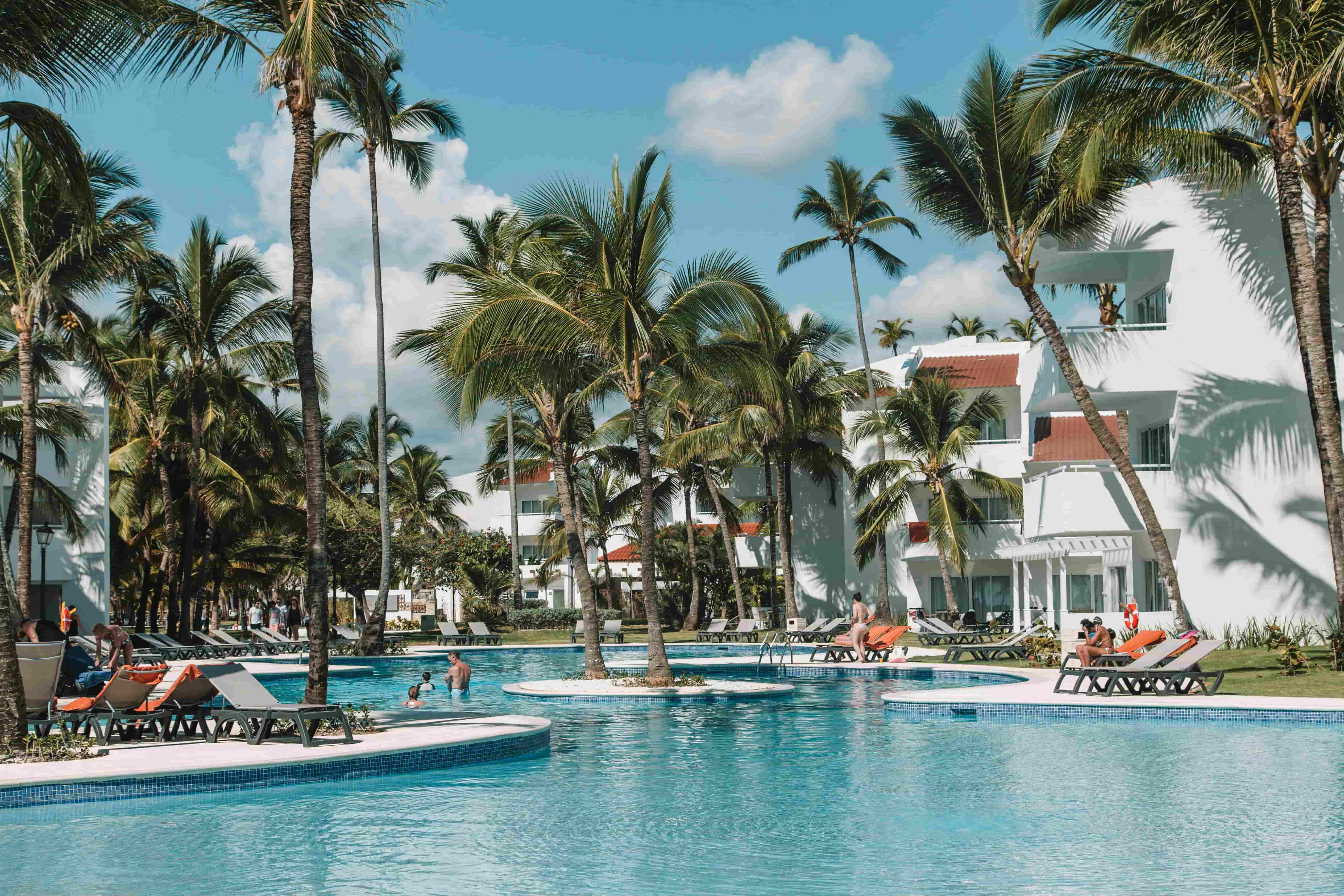
Eastern Coast
Punta Cana
18°36′N · 68°22′WThe Caribbean's most liquid investment market.
$80,000–$180,000
Entry (1BR)
6–9%
Gross Yield
4–7% p.a.
5yr Cap. Growth
High
Liquidity
Medium RiskFull Analysis→
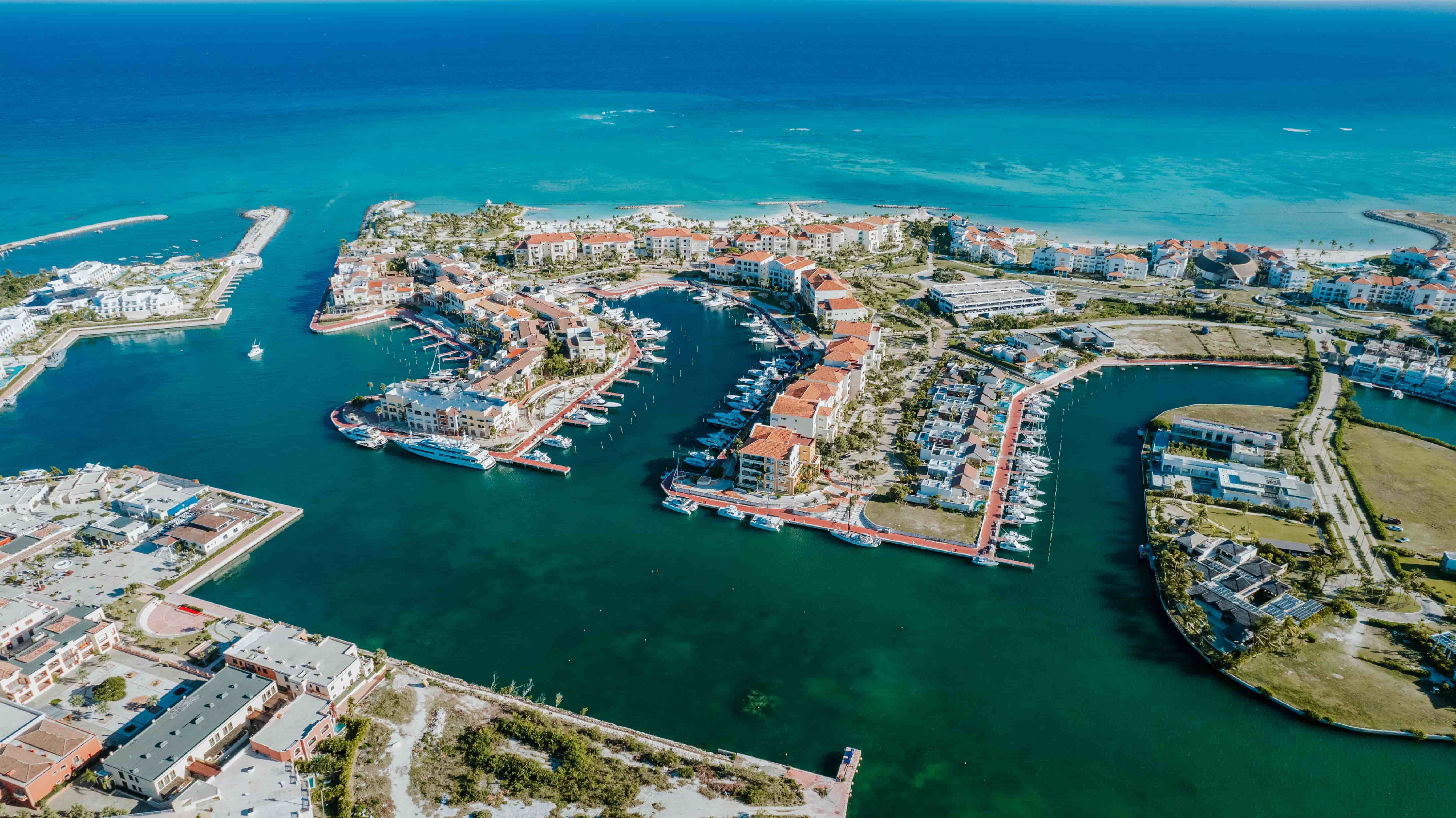
Ultra-luxury, supply-controlled, capital-appreciating.
Cap Cana is a 30-square-kilometre master-planned private community located immediately south of Punta Cana International Airport. It is the only major resort destination in the Caribbean where a single entity — Cap Cana S.A., controlled by the Rainieri family — controls land release, development approvals, and infrastructure. This supply control is the single most important structural feature of the market.
The community contains the Caribbean's largest private marina (1,200 slips, Phase 3 under construction), three championship golf courses including Punta Espada (host of multiple PGA Tour events), a full beach club, private hospital, private school, and a development pipeline that includes multiple internationally branded hotel and residence projects through 2029.
Cap Cana is not a yield market in the conventional sense. The investment thesis here is capital appreciation anchored by scarcity, brand quality, and continued infrastructure investment. Net yields on well-managed luxury product are competitive with Bávaro on an absolute basis but the primary return driver over a 5+ year horizon has been, and is expected to remain, capital growth.
Cap Cana's investment case rests on three structural pillars: finite land supply controlled by a disciplined master developer; a branded hotel and residence pipeline (Eden Roc, Cigar City, and three additional hotel brands announced for 2027–2029) that drives progressive product premiumisation; and the marina expansion that positions Cap Cana as the Caribbean's leading boating and lifestyle destination. These are supply-side value drivers that do not depend on tourism volume cycles in the way that Bávaro yield does. The result has been 6–10% annual capital appreciation over the past five years and a growing premium over comparable regional peers.
Investors whose primary objective is asset value growth over a 5+ year horizon. Cap Cana's supply control and branded pipeline have produced the strongest appreciation record of any DR market.
Buyers who will use the property personally — golf, marina, beach — alongside the investment case. The lifestyle quality justifies a lower yield for this buyer profile.
Cap Cana is not a sub-$200k market in any meaningful sense. The optimal risk-adjusted opportunity sits in the $300k–$600k branded and semi-branded segment.
The appreciation thesis plays out over 5–10 years. Investors with defined short-to-medium term liquidity requirements should weigh the illiquidity premium carefully.
Cap Cana buyers are predominantly high-net-worth individuals from the United States, Canada, and Western Europe, with a growing contingent from Latin America and the Middle East. The minimum credible entry is approximately $200,000 for a managed unit; most transactions fall in the $350,000–$900,000 range, with the ultra-luxury villa and branded residence segment extending well above $2,000,000. These are typically not first-time Dominican Republic investors — buyers have often already owned property elsewhere in the DR or Caribbean and are graduating to a premium, lower-maintenance asset with stronger appreciation potential.
Cap Cana's rental market is driven by affluent leisure travelers — predominantly North American and European — seeking a premium, gated resort experience. Demand is strongly correlated with golf, marina, and branded hotel programming. The visitor profile is qualitatively different from Bávaro's mass-market base: higher ADR, longer average stay, lower price sensitivity, and lower volume. Branded hotel guests within the community spill over to the private rental market for extended stays.
Affluent North American leisure travelers, golfers, boating and marina users, European HNWI second-home seekers, and extended-stay corporate visitors (typically senior executives). Average stay length is longer than Bávaro, averaging 7–14 nights vs 4–7 nights in the mass-market segment.
Units within internationally branded hotel developments. Brand name adds 25–40% premium; managed by hotel operator; access to hotel amenities included. Eden Roc and Cigar City are current anchor brands.
Best for premium capital with appreciation focus and lifestyle utility.
Apartments and condos with direct marina views and proximity to Cap Cana Marina facilities. Strong lifestyle premium; boating community demand. Limited supply by geography.
Best for marina-lifestyle buyers and those targeting the boating/sailing tenant segment.
Detached villas on Punta Espada or Corales golf courses. Ultra-premium positioning; direct course frontage commands the highest per-square-metre values in the Dominican Republic.
Ultra-luxury, lifestyle-primary, long-horizon hold.
Entry-level Cap Cana product. Managed resort units within the gated community. More accessible capital requirement; lower ADR and occupancy than branded product but captures Cap Cana appreciation.
Best entry point to Cap Cana for investors in the $200k–$400k range.
Caribbean's largest private marina; highest demand concentration; most premium pricing
PGA Tour host course; direct course-front villas; elite golfer demand
Branded hotel and residences; proven operator; strong occupancy track record
New branded development corridor; strong appreciation runway; construction-phase entry
Standard condo-hotels capturing Cap Cana premium at lower cost of entry
Hotel brand pipeline (2027–2029 openings); early entry opportunity
Supply control by a single disciplined master developer — the structural foundation of the appreciation case
Caribbean's largest private marina — unique regional asset driving lifestyle and capital demand
Branded hotel pipeline through 2029 provides visible near-term appreciation catalysts
Best security infrastructure in the Dominican Republic — gated, 24-hour, private emergency response
Proven 6–10% annual capital appreciation track record over five years
On-site private hospital and international school reduce lifestyle friction for full-time residents
Illiquidity risk — 90–180 day sale timelines represent a real constraint for flexibility-dependent investors
Concentration risk — a sustained slowdown in US affluent leisure travel disproportionately impacts the market
Construction delays are endemic in Dominican resort development; branded hotel timelines frequently extend
Entry price excludes a large share of the potential buyer universe, limiting secondary demand depth
Hurricane risk at the Category 3–4 level; adequate insurance is non-optional and increasing in cost
Cap Cana commands a significant premium over comparable Punta Cana product — typically 35–60% on a per-square-metre basis for similar specification. Within Cap Cana, the premium hierarchy runs: marina-front and Punta Espada Golf frontage at the apex, branded residences at a 25–40% premium over comparable unbranded product, and standard managed units at the entry tier. Relative to Caribbean peers (Turks and Caicos, Barbados, Cayman), Cap Cana still represents significant value at the $300k–$700k level.
Cap Cana's secondary market is narrower than Punta Cana's by definition — the buyer pool is smaller and more selective. A correctly priced property in a desirable building will typically sell in 90–180 days, which is slower than Bávaro but faster than most Caribbean luxury peers. Branded residences from major hotel chains have the strongest secondary demand. The most illiquid segment is raw or partially developed land, which can take 12–24 months to transact. For investors with flexible timelines, this illiquidity premium is acceptable; for those who may need to exit quickly, it is a material risk.
Cap Cana delivers the Caribbean's most complete private resort lifestyle: a gated perimeter with 24-hour security, championship golf, a world-class marina with deep-water access for 80-foot+ yachts, curated beach clubs, private hospitals and schools within the community, and a culinary and hospitality scene that is the most sophisticated in the Dominican Republic outside of Santo Domingo. The environment is manicured, quiet, and designed for a permanent or frequent-visitor lifestyle rather than a high-turnover tourism economy.
The medium-term outlook for Cap Cana is anchored by a concrete and visible pipeline: three internationally branded hotel developments are at various stages of construction or approval within the community, all targeting 2027–2029 openings. The marina's Phase 3 expansion adds 400 slips and a full marine services facility, reinforcing Cap Cana's position as the Caribbean's premier boating destination. Each of these completions has historically driven price appreciation in surrounding product.
The longer-term story is about the maturation of the Dominican Republic's premium market segment. As the country's economy develops and its international profile rises, Cap Cana is positioned as the natural home for premium capital — the resort destination that discerning international buyers default to when they move beyond the mass-market tier. This is a structural demand driver that plays out over a decade, not a quarter.
This overview covers the publicly available picture. A private analysis goes further — specific buildings, operator comparisons, off-market land, and a structured view of how Cap Cana fits your capital objectives.
Request Private AnalysisThe Caribbean's most liquid investment market.
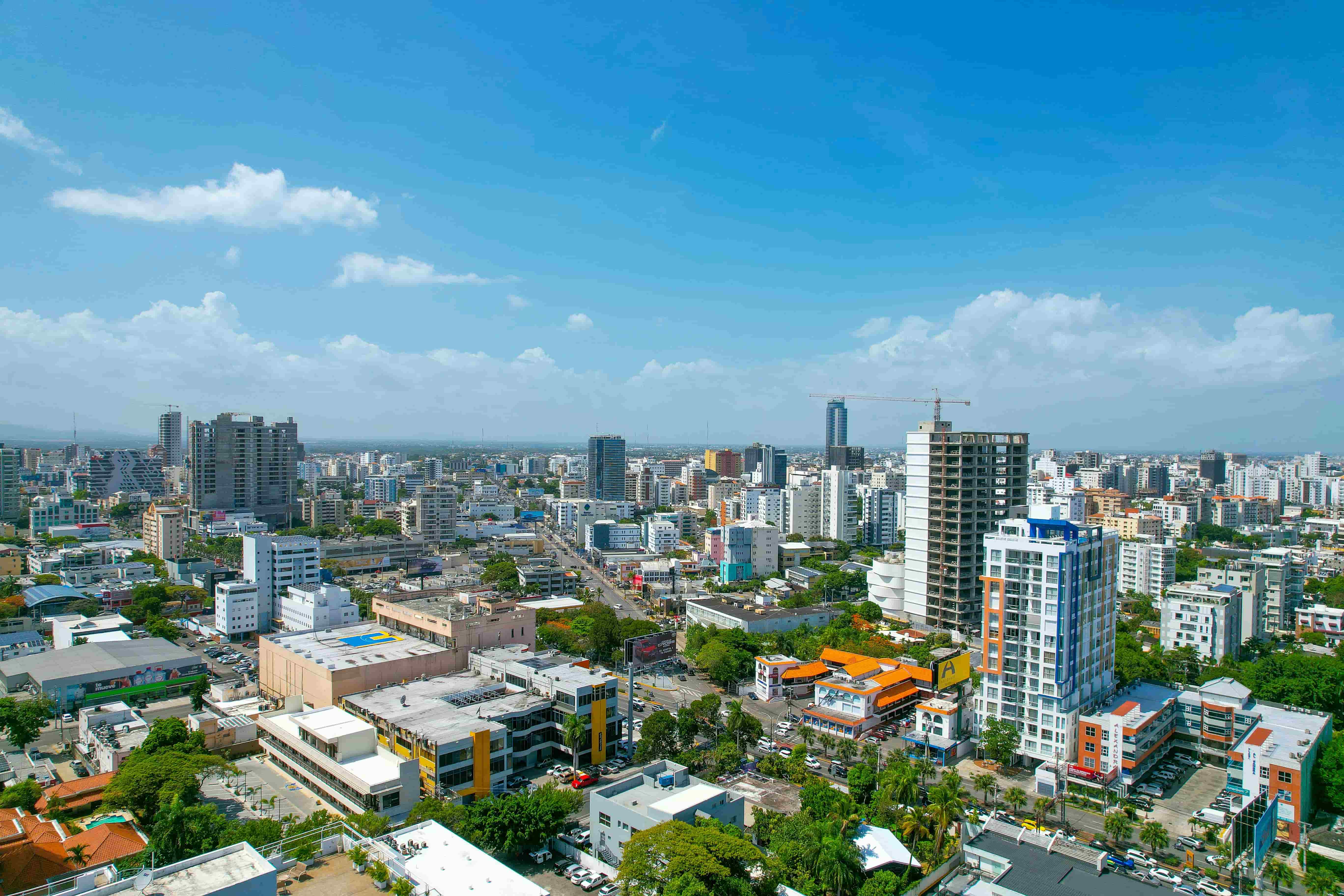
The Caribbean's largest economy. The region's most institutional market.
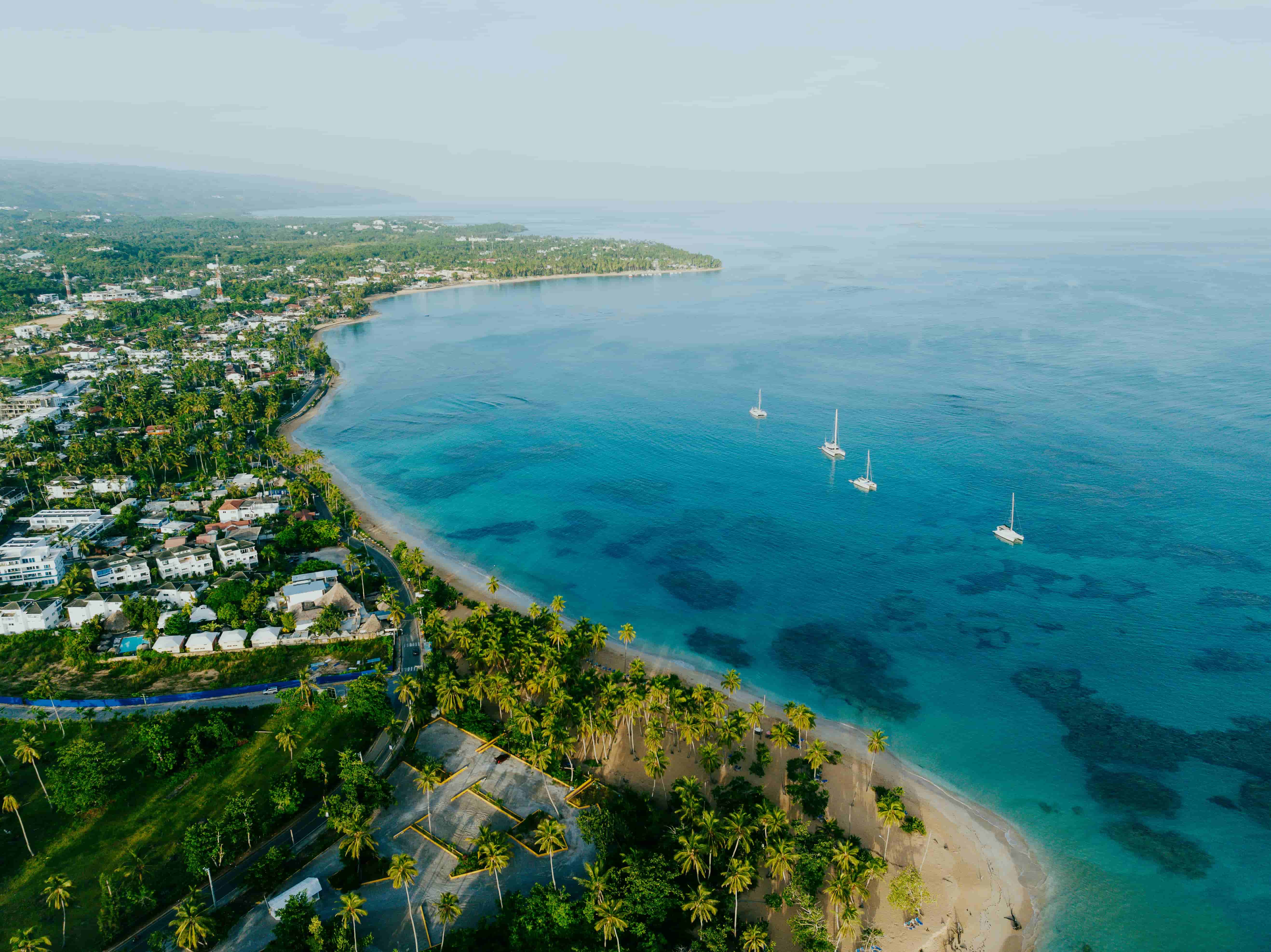
Finite, authentic, European-inflected. The connoisseur's Dominican market.