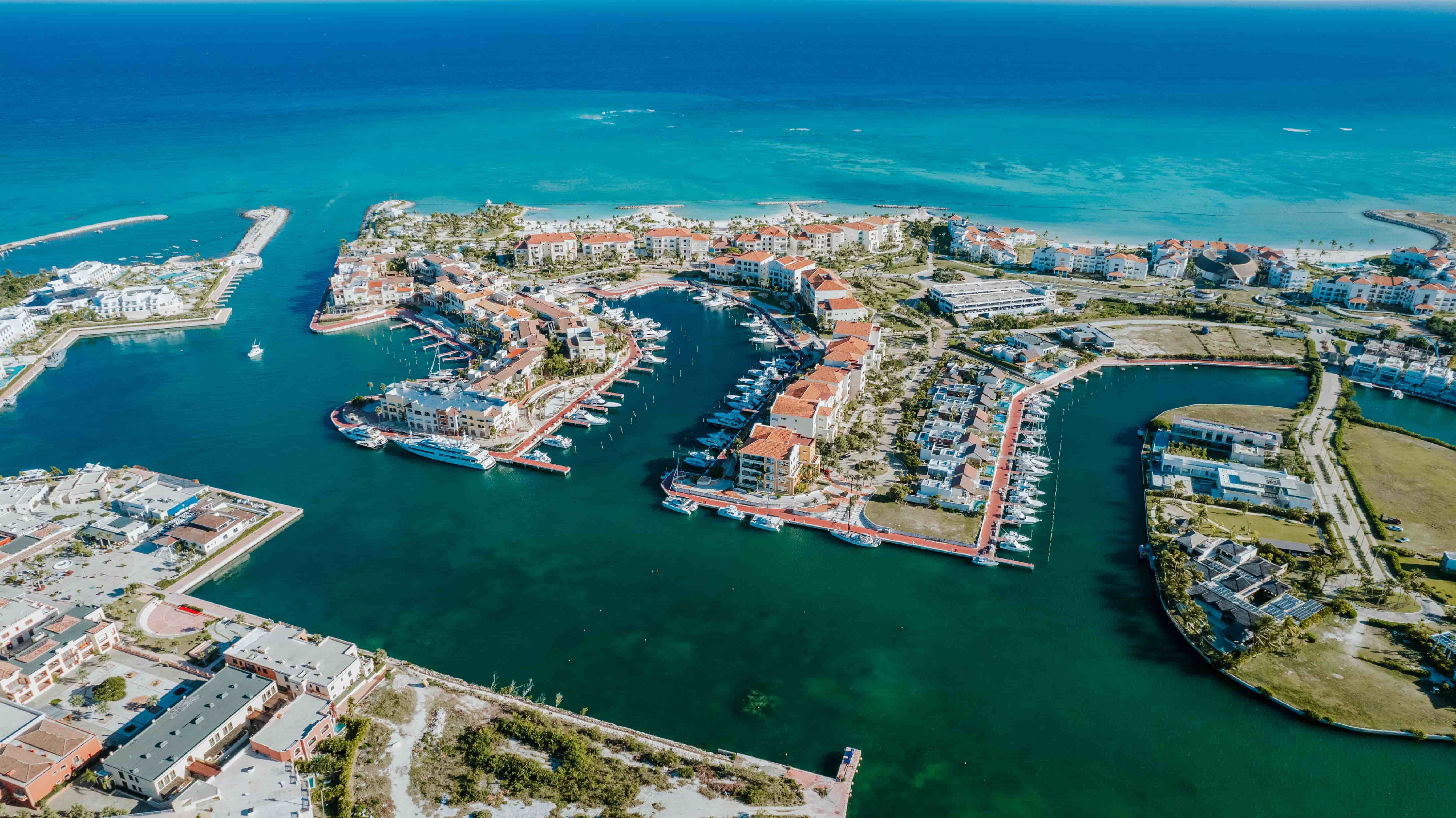
Eastern Peninsula
Cap Cana
18°28′N · 68°19′WUltra-luxury, supply-controlled, capital-appreciating.
$195,000–$380,000
Entry (1BR)
4–7%
Gross Yield
6–10% p.a.
5yr Cap. Growth
Medium
Liquidity
Low–Medium RiskFull Analysis→
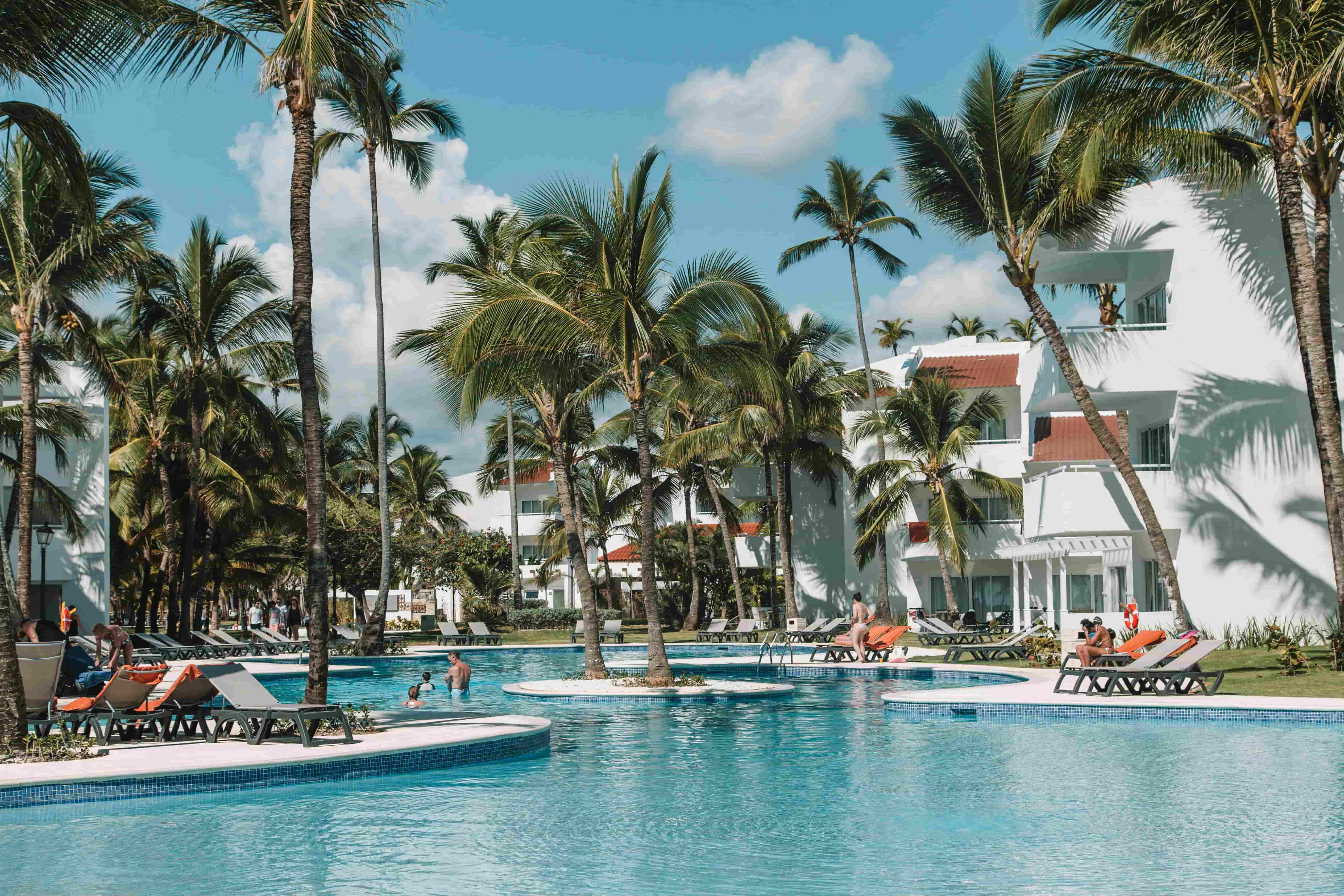
The Caribbean's most liquid investment market.
Punta Cana is the Dominican Republic's primary resort corridor — a 60-kilometre coastal strip running south from Bávaro to the Punta Cana International Airport. It receives more than 8 million tourist arrivals annually, making it the single most visited destination in the Caribbean Basin, and it supports the deepest secondary real estate market in the country.
The market is not monolithic. Eight distinct sub-zones exist within the broader Punta Cana corridor, each with different supply dynamics, buyer profiles, and return characteristics. Bávaro remains the heartland — established, liquid, and increasingly competitive. Los Corales and the Cap Cana-adjacent corridor offer a better risk-adjusted entry in 2026. The northern corridor around Miches is early-adopter territory with multi-year infrastructure catalysts on the horizon.
For investors prioritising income yield, secondary market liquidity, and market familiarity, Punta Cana remains the logical first port of call in the Dominican Republic. It is also the market most exposed to operator quality variance and mid-tier supply overhang — both risks that informed selection can largely mitigate.
Punta Cana rewards yield-seeking capital deployed into well-selected condo-hotel product operated by proven managers. The infrastructure is world-class, the tourism base is structurally resilient, and the CONFOTUR incentive pipeline continues to provide tax advantages on new developments. The optimal entry in 2026 is not the cheapest product available — it is quality-differentiated product from operators with verifiable occupancy track records, at a price point that reflects current, not 2021, market conditions.
Market familiarity, established operator ecosystem, and clear comparable data make Punta Cana the lowest learning-curve entry point for investors new to the Dominican Republic.
Investors prioritising annual income return over capital appreciation will find the best risk-adjusted yield profile in Punta Cana, particularly in the $100k–$200k condo-hotel segment.
Punta Cana offers the widest product selection in this price band, with genuine diversification options across buildings, operators, and sub-zones.
If your investment timeline is uncertain, or you may need to exit before a planned horizon, Punta Cana's secondary market depth provides the best exit optionality in the DR.
The typical Punta Cana buyer in 2026 is an international investor — most commonly North American, European, or Latin American — allocating between $100,000 and $350,000 to a condo-hotel unit in a managed resort. Many are first-time Dominican Republic buyers attracted by the market's profile and yield narrative. A growing segment are repeat buyers consolidating positions across multiple units or graduating to villa-scale product. The buyer pool is broad by Dominican standards, which is the primary driver of the market's liquidity advantage.
Punta Cana's rental market is underpinned by 8 million+ annual arrivals and an established condo-hotel operator ecosystem that manages bookings, maintenance, and revenue distribution for individual owners. The market benefits from broad seasonal coverage — peak season (December–April) delivers 85–95% occupancy; shoulder season (May–November) averages 50–65% in well-run buildings.
Primarily North American leisure travelers (US, Canada), growing European segment (UK, Germany, France), and increasing Latin American visitors. Corporate and long-stay demand is limited in pure resort zones but present near the airport corridor.
The dominant product type. Individual units within resort-managed buildings, enrolled in the operator's rental program. Owner retains title, operator manages rentals and maintenance.
Best for yield-focused investors. Lowest management burden.
Detached or semi-detached villas within gated communities. Higher capital requirement, greater personal use value, and higher absolute rental income — though yield is typically lower than condo-hotels.
Best for buyers with personal use intent + investment return.
Units within internationally branded hotel developments (Hard Rock, Royalton, etc.). Brand premium adds 20–35% to acquisition cost; exit liquidity to brand-aware buyers is strong.
Best for premium capital, lifestyle use, and brand-conscious buyers.
Pre-development land in the Miches/El Limón corridor. No income during hold. Pure appreciation play with 3–5 year infrastructure catalysts.
Speculative, long-horizon. High risk, high potential upside.
Established resort strip, deepest liquidity, most operator competition
Higher boutique quality, stronger occupancy ratios, beach access premium
Between Bávaro and Cap Cana, growing mid-to-premium development
Rainieri family-controlled, ultra-exclusive, limited supply
Spillover luxury demand from Cap Cana, premium without gated premium
Pre-development land play, infrastructure catalysts 2027+
Deepest secondary resale market in the Dominican Republic — genuine exit liquidity
World-class international airport with 50+ direct city connections
Established condo-hotel operator ecosystem with verifiable track records
Most active CONFOTUR pipeline in the country — tax incentive access
8M+ annual tourist arrivals provide structural rental demand floor
Widest product selection and price range of any DR market
International brand recognition drives both tourism and buyer demand
Supply overhang in the 100–200 unit mid-tier condo-hotel segment
Operator quality varies enormously — weak operators in strong locations underperform
Some CONFOTUR approvals expiring without renewal in older Bávaro buildings
Environmental pressure on coastal development accelerating regulatory scrutiny
Hurricane risk (Category 1–3 exposure) requires appropriate insurance
Commoditisation of the mass-market segment compresses yields over time
Punta Cana sits in the mid-tier of Dominican Republic pricing, above Santo Domingo's urban residential market on a per-square-metre basis for comparable product, but significantly below Cap Cana's gated luxury positioning. Beachfront product in established zones commands a 30–45% premium over comparable inland product. The price spread is wide — from $80,000 studio condo-hotel units to $2M+ branded villas — which accommodates multiple investor profiles within a single market.
Punta Cana has the deepest secondary resale market in the Dominican Republic. A correctly priced, well-maintained condo-hotel unit in an established zone will typically transact in 45–90 days. The buyer pool is international and broad, driven by the market's global brand recognition. This liquidity advantage is not uniform across all product — oversupplied mid-tier buildings in secondary locations can sit for 6–12 months — but in well-located, well-operated buildings, exit optionality is genuine.
Punta Cana delivers the Dominican Republic's most developed resort infrastructure: direct international flights from 50+ cities, hospital-grade medical facilities, international schools, a full retail ecosystem, and an established hospitality sector running from all-inclusive mega-resorts to boutique hotels. For investors who also intend to use their property personally, Punta Cana offers the most complete lifestyle offering in the country — though it lacks the authenticity and natural drama of markets like Las Terrenas or the urban sophistication of Santo Domingo.
The structural case for Punta Cana remains intact. Dominican Republic tourism grew at 9.4% annually between 2019 and 2025, the airport has capacity for continued airlift expansion, and the hotel sector continues to attract branded operators. The supply cycle has been digesting 2020–2023 deliveries; 2026–2027 should see occupancy recover toward historical highs in quality product.
The most significant medium-term catalyst is the northern corridor around Miches — government infrastructure investment, new hotel brand commitments, and land arbitrage opportunity. Buyers positioning in this sub-zone in 2026 are 3–5 years early, which is precisely the point. Established Bávaro will continue to generate yield with moderate capital growth. Miches represents the next appreciation cycle.
This overview covers the publicly available picture. A private analysis goes further — specific buildings, operator comparisons, off-market land, and a structured view of how Punta Cana fits your capital objectives.
Request Private AnalysisUltra-luxury, supply-controlled, capital-appreciating.
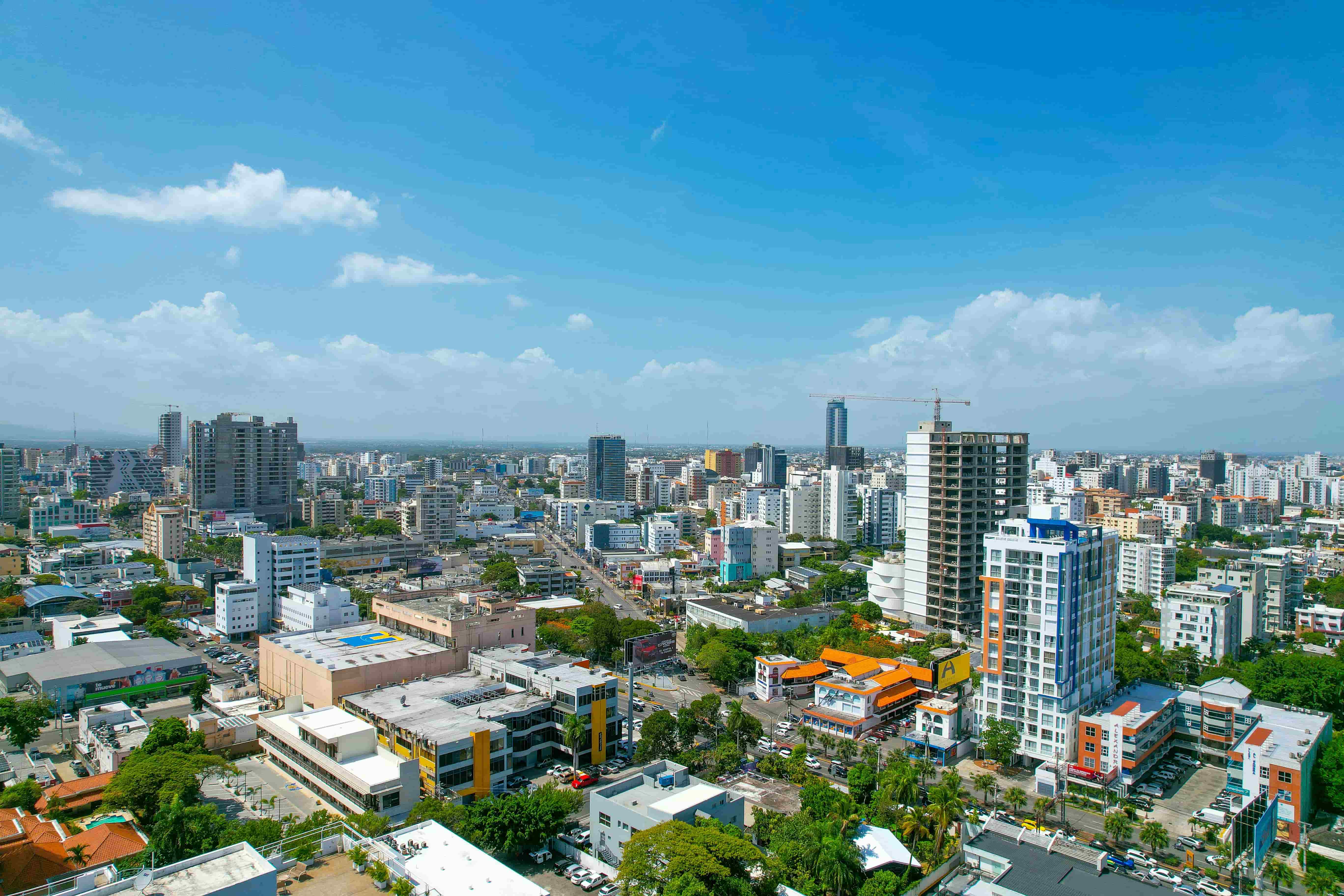
The Caribbean's largest economy. The region's most institutional market.
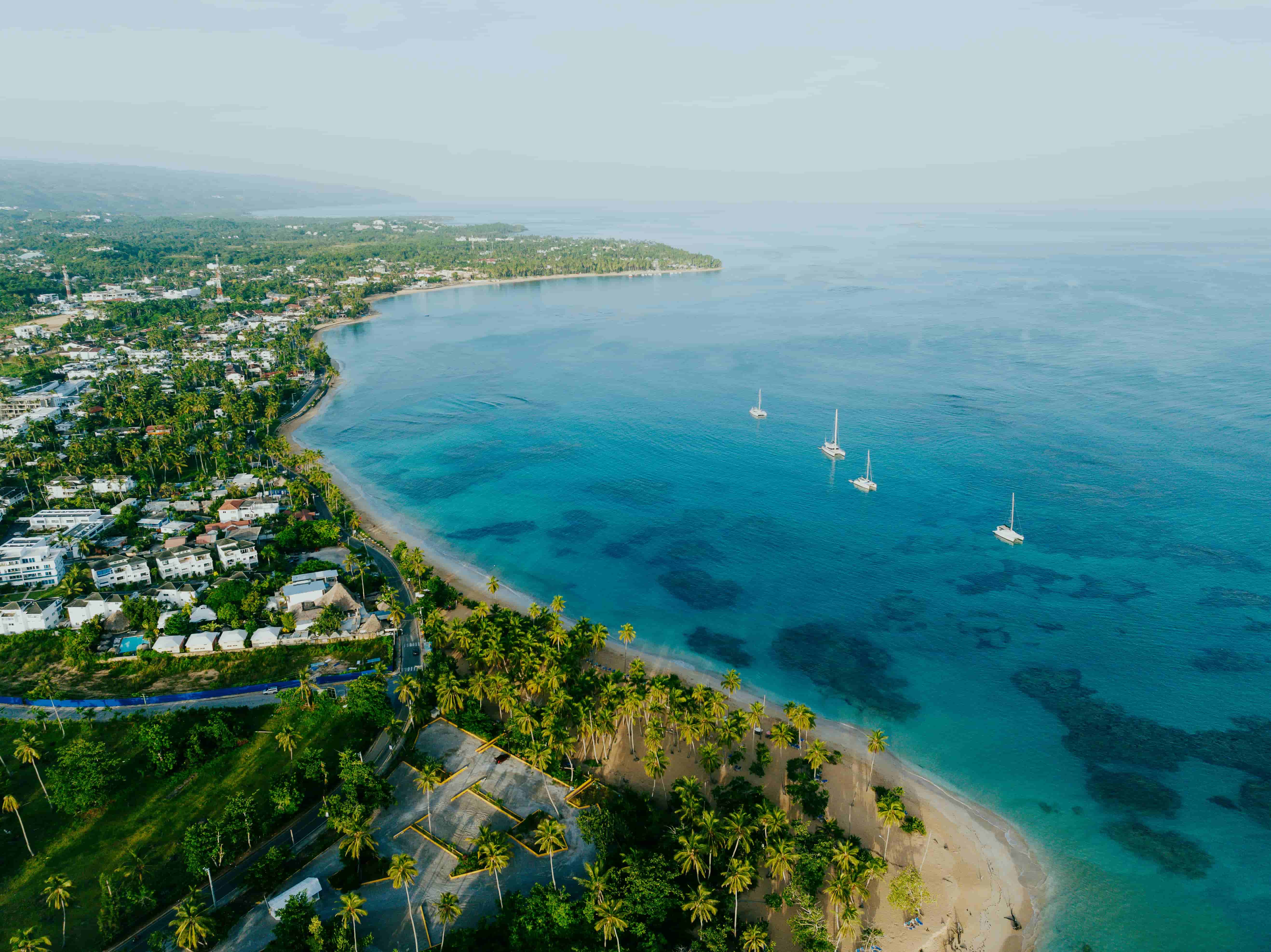
Finite, authentic, European-inflected. The connoisseur's Dominican market.