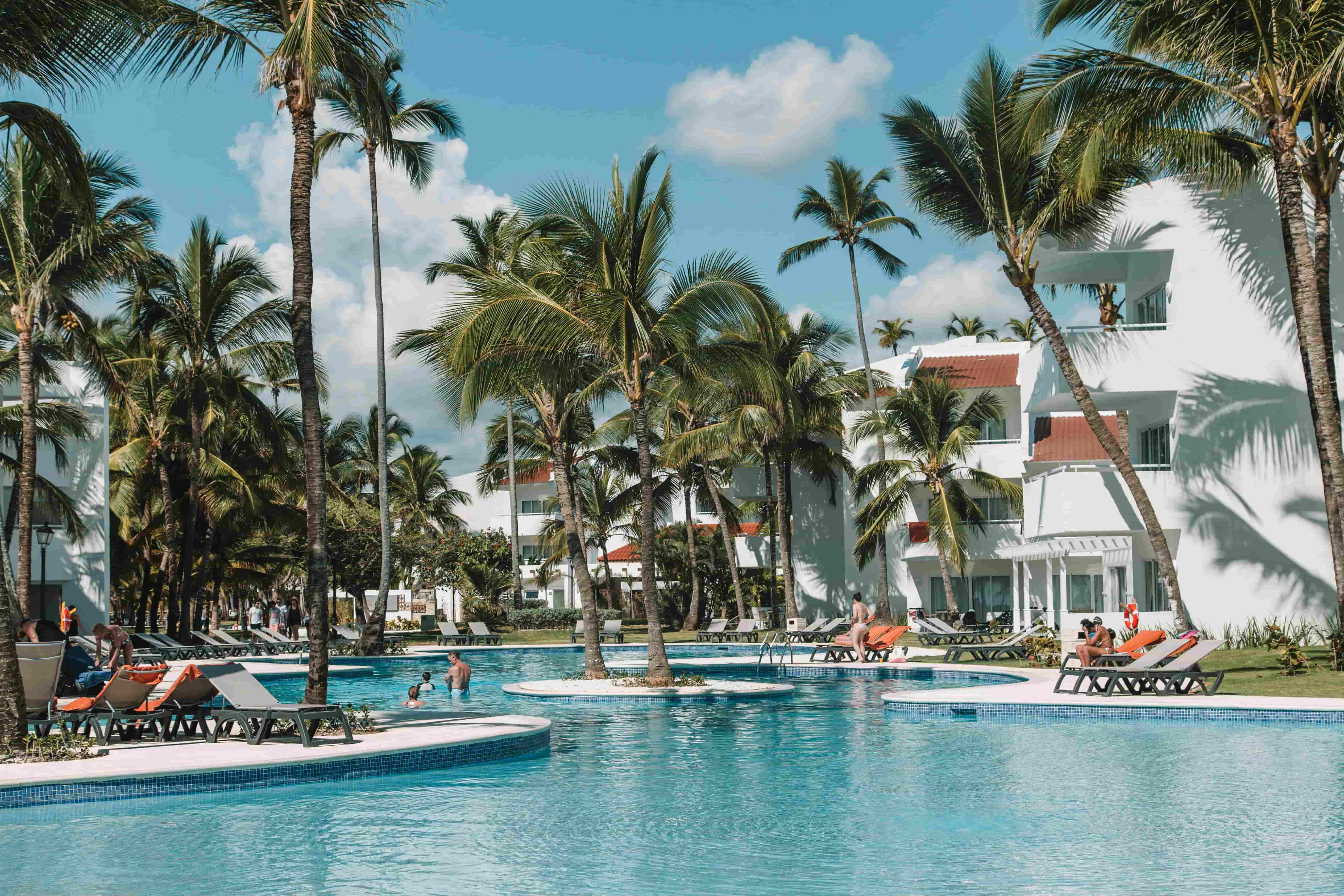
Eastern Coast
Punta Cana
18°36′N · 68°22′WThe Caribbean's most liquid investment market.
$80,000–$180,000
Entry (1BR)
6–9%
Gross Yield
4–7% p.a.
5yr Cap. Growth
High
Liquidity
Medium RiskFull Analysis→
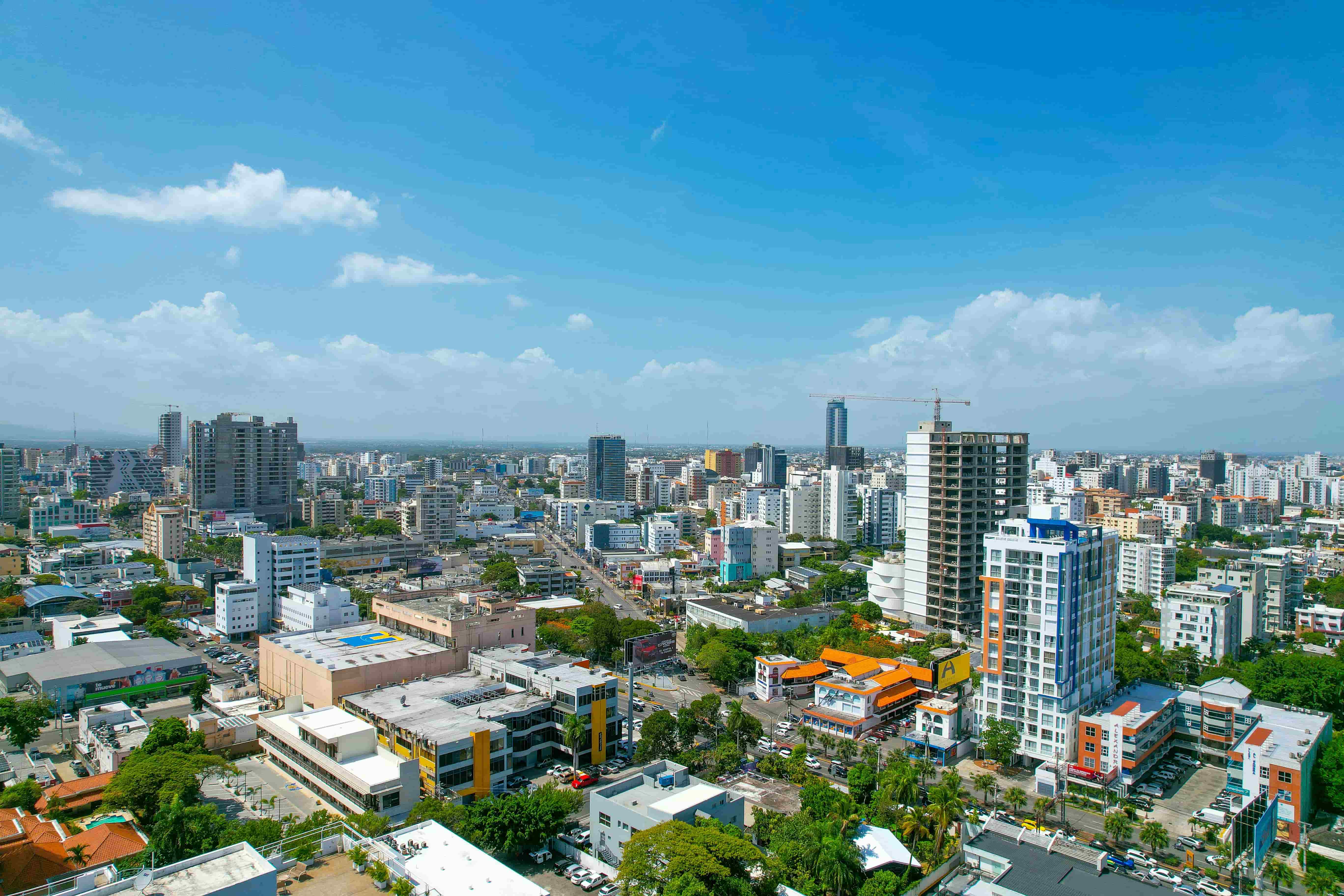
The Caribbean's largest economy. The region's most institutional market.
Santo Domingo is the capital city of the Dominican Republic and the largest city in the Caribbean Basin, with a metropolitan population exceeding 2.9 million. It is the political, economic, and financial centre of the country — home to the national government, central bank, most major corporations, the primary stock exchange, and the majority of the country's institutional real estate activity.
The real estate market in Santo Domingo is fundamentally different from the resort markets of the Eastern Corridor. Returns are driven by urban residential demand from a growing professional class, corporate tenant activity, and the gradual institutionalisation of a market that has historically been informal. Tourism plays a secondary role — the Colonial District is a UNESCO World Heritage Site with growing boutique hotel demand — but it is not the primary demand driver in the way it is in Punta Cana or Cap Cana.
For investors with a long-horizon, capital preservation, and diversification mandate, Santo Domingo offers exposure to the Dominican Republic's economic growth story without the resort-specific supply and operator risks of the Eastern Corridor. Yields are competitive, the legal infrastructure is the most developed in the country, and the professionalisation of the rental management sector is accelerating.
Santo Domingo's investment case is a capital city premium thesis: as the Dominican Republic's economy continues to grow — GDP growth has averaged 5.3% annually over the past decade — the professional class expands, corporate occupier demand deepens, and urban residential values appreciate in line with long-run economic development. This is a lower-volatility, lower-yield-premium proposition than resort investing, but the diversification from tourism-correlated risk is meaningful, and the underlying economic fundamentals are among the strongest in the Caribbean Basin.
The capital city premium thesis plays out over 7–15 years as the Dominican economy develops. Investors with appropriate time horizons will benefit from compounding urban appreciation.
Investors with existing resort market exposure looking to balance their DR portfolio with non-tourism-correlated returns. Santo Domingo's demand drivers are independent of Caribbean tourism cycles.
The deepest commercial real estate market in the DR — office, retail, mixed-use, and hotel conversion — for investors deploying $500,000+ into structured opportunities.
The largest corporate tenant base in the country, driven by multinational occupiers and the Dominican professional class. More predictable income profile than short-term resort rental.
Santo Domingo buyers are more varied than the resort market. They include Dominican professionals and entrepreneurs acquiring residential investment properties, international institutional investors entering the market through commercial or mixed-use assets, expats seeking residential proximity to the capital's employment base, and tourism-oriented investors targeting the Colonial District boutique hotel segment. The ticket size ranges from $60,000 urban apartments to $5M+ commercial buildings, accommodating a genuinely diverse investor universe.
Santo Domingo's rental market is dominated by long-term residential tenants — the Dominican professional class, expats working for multinationals or NGOs, and diplomats. This creates a more stable income profile than resort condo-hotels, with lower yield peaks but dramatically lower vacancy risk and zero operator dependency. The Colonial District has a distinct short-term tourism rental market, while Piantini and Naco serve the professional class. Corporate demand from multinationals anchors the upper end of the residential market.
Dominican professionals and entrepreneurs (largest segment), expat executives and corporate tenants, diplomatic and NGO community, university faculty and researchers, and Colonial District tourism visitors for boutique hotel-style product.
Modern apartments in Piantini, Naco, and Serrano — the city's prime residential districts. Long-term rental market, professional tenant base, stable occupancy.
Best for stable yield with professional tenant base. Conservative investment profile.
Historic building conversion for boutique hotel or serviced apartment use. UNESCO-protected area limits new supply. Strong capital appreciation; growing international visitor demand.
Best for investors with development/conversion experience and long hold horizon.
Office buildings, retail units, and mixed-use assets in the business districts. Corporate tenant demand from multinational occupiers.
Institutional investors, commercial property specialists.
Smaller apartments in secondary residential districts. Higher yield but lower capital quality tenants. Growing middle-class rental market.
Yield-focused with higher management intensity requirement.
Prime residential and commercial; multinational offices; highest quality tenant base
Established professional residential; central location; growing F&B scene
Upscale residential neighbourhood; diplomatic community; family-oriented
UNESCO heritage; boutique hotel pipeline; tourism and cultural destination
Emerging professional residential; value entry; improving infrastructure
Industrial and logistics; commercial park development; institutional capital target
Capital city premium and economic growth anchor — GDP growth averaging 5.3% p.a. over ten years
Largest and deepest commercial real estate market in the Caribbean Basin
Non-correlated with resort tourism cycles — independent demand drivers
Most developed legal and title registry infrastructure in the Dominican Republic
Direct international flights to North America and Europe from SDQ/LAS airports
Colonial District UNESCO status creates permanent supply scarcity in a growing tourism zone
Professionalising property management sector improving net yield predictability
Urban traffic congestion significantly impacts commute times and residential quality in some zones
Flood risk in lower-elevation zones during hurricane season — specific due diligence required
Lower short-term yield premium vs resort markets for the same capital allocation
Title and permit bureaucracy remains more complex than resort zones despite improving systems
Political risk at the municipal level affects development approvals in ways that are harder to predict than resort markets
Santo Domingo's urban residential market prices on a per-square-metre basis below comparable resort product in established Punta Cana zones — the absence of a beach premium is the primary driver. Premium residential districts (Piantini, Naco, Serrano) command $1,200–$2,500/m², while the Colonial District for boutique commercial has its own premium. The value proposition relative to comparable Caribbean capital cities (San Juan, Nassau, Bridgetown) is compelling — Santo Domingo remains underpriced relative to its economic fundamentals and the size of its professional class.
Santo Domingo's secondary market is growing in depth but remains less liquid than Bávaro for foreign investors specifically. The domestic buyer pool is the most active in the country; international buyers are a smaller percentage of transactions than in resort markets. A well-priced residential property in a premium district will typically transact in 60–120 days. Commercial and mixed-use assets have longer hold periods. The growing presence of institutional investors and REITs is improving price discovery and liquidity across the commercial segment.
Santo Domingo offers the most complete urban lifestyle in the Caribbean: an established gastronomy scene, museums, universities, a sophisticated cultural life anchored by the Colonial District (the oldest European city in the Americas), modern shopping malls, international hospital facilities, a large expat community, and direct flights to a wide range of North American and European destinations. For investors who intend to be resident or frequent visitors, the capital offers intellectual and social depth that no resort destination in the country can match.
Santo Domingo's medium-term outlook is anchored by macroeconomic momentum. The Dominican Republic is the fastest-growing economy in the Americas over the past decade, and Santo Domingo captures a disproportionate share of that growth through financial services, technology, and professional services expansion. The formal rental market is professionalising — international property management companies have entered the market in the last three years — improving net yield reliability.
The Colonial District represents the most interesting long-term value proposition within the city: a UNESCO-protected heritage area with growing boutique hotel and curated retail demand, finite supply of historic buildings, and increasing international awareness. Boutique hotel conversion projects in the Colonial District have delivered strong capital returns over the past five years as the area's profile has risen globally.
This overview covers the publicly available picture. A private analysis goes further — specific buildings, operator comparisons, off-market land, and a structured view of how Santo Domingo fits your capital objectives.
Request Private AnalysisThe Caribbean's most liquid investment market.
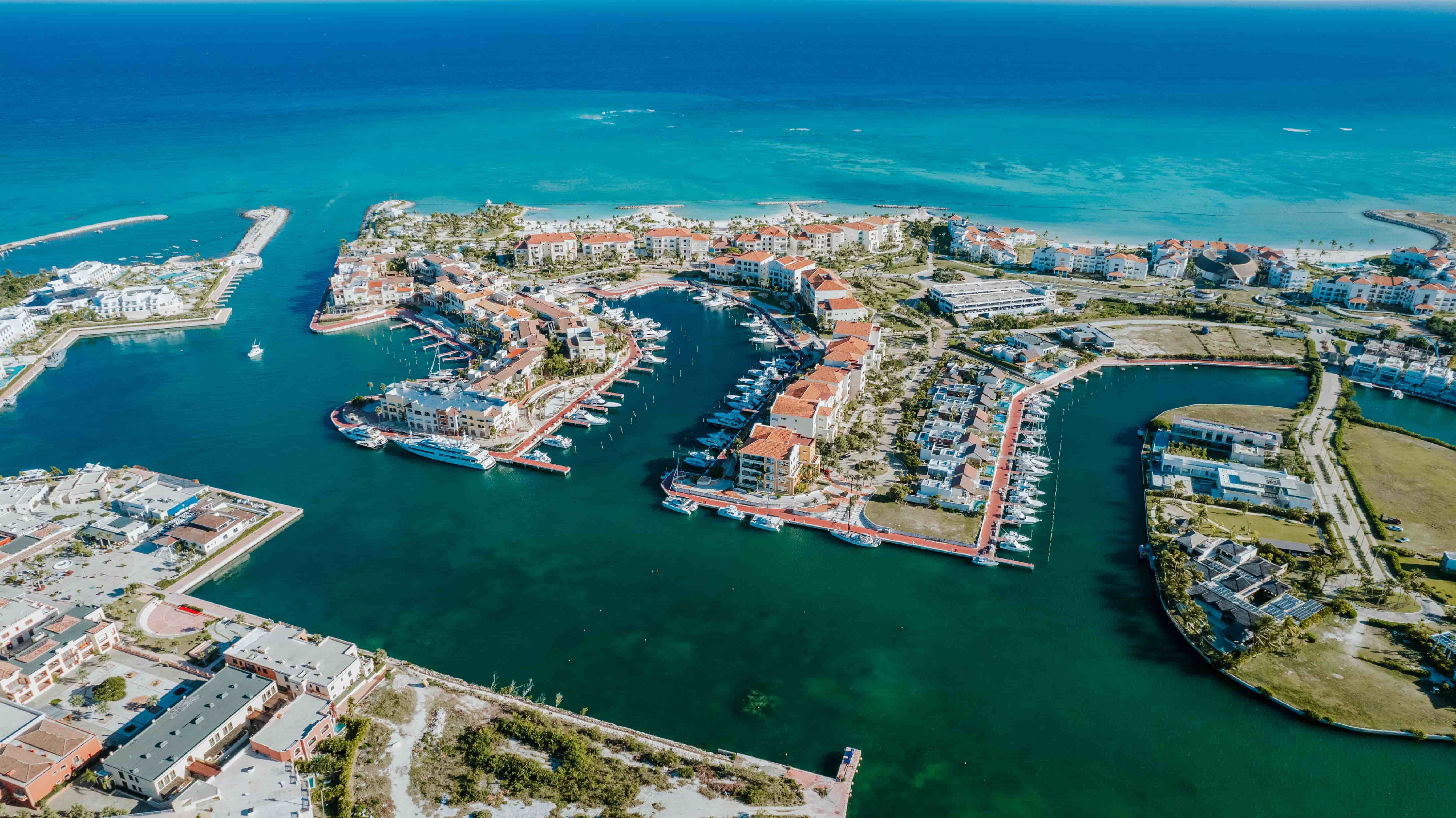
Ultra-luxury, supply-controlled, capital-appreciating.
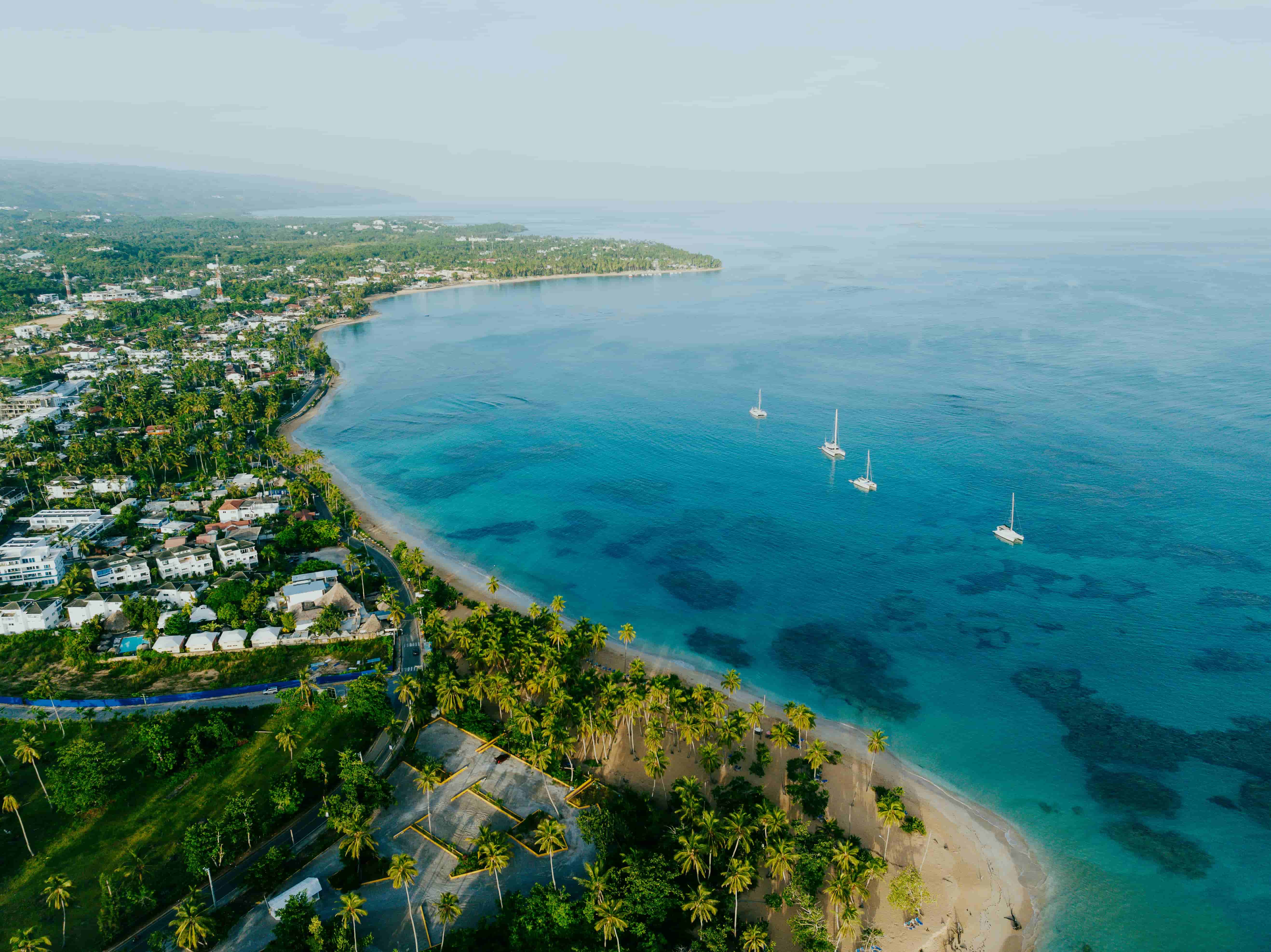
Finite, authentic, European-inflected. The connoisseur's Dominican market.