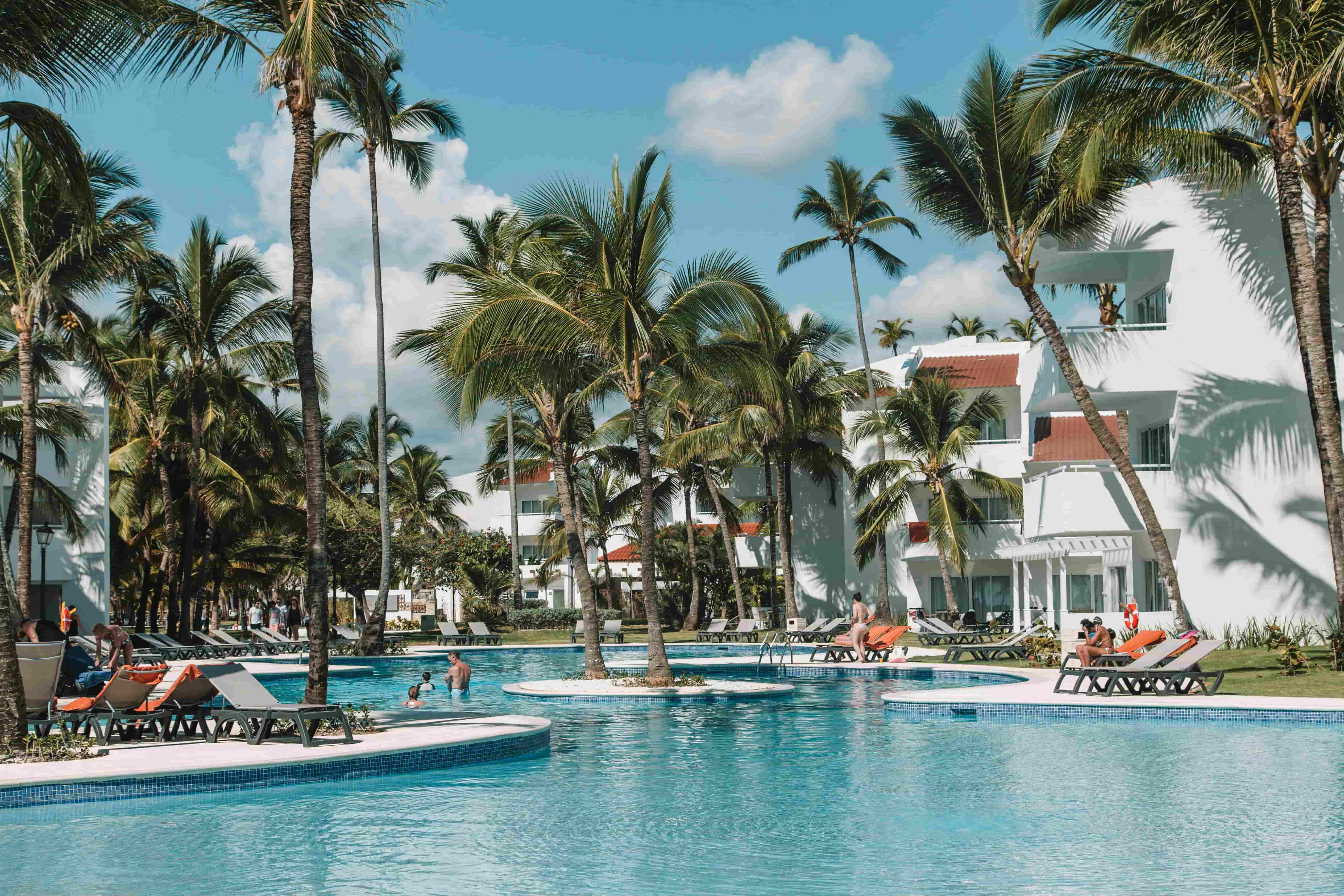
Eastern Coast
Punta Cana
18°36′N · 68°22′WThe Caribbean's most liquid investment market.
$80,000–$180,000
Entry (1BR)
6–9%
Gross Yield
4–7% p.a.
5yr Cap. Growth
High
Liquidity
Medium RiskFull Analysis→
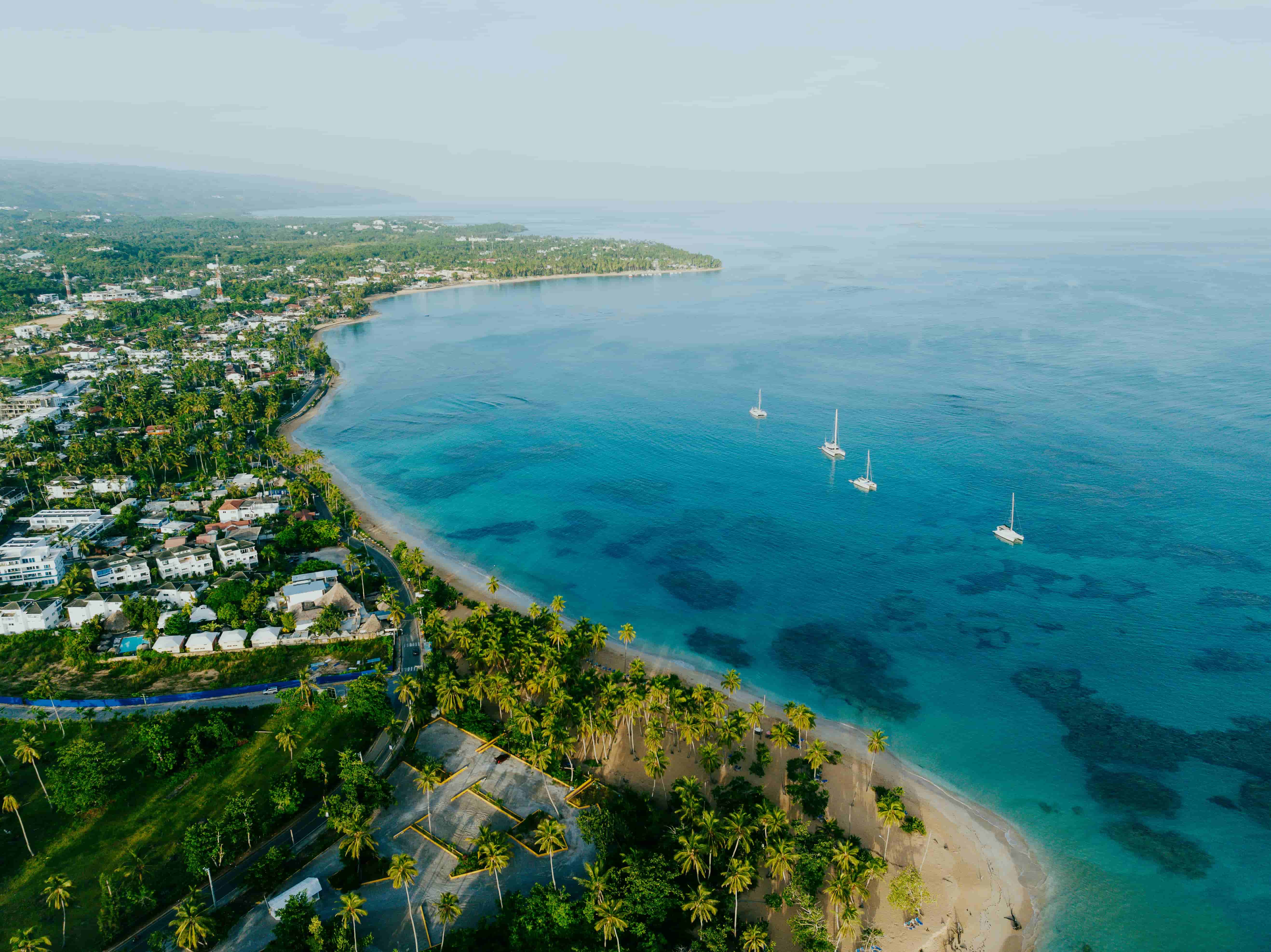
Finite, authentic, European-inflected. The connoisseur's Dominican market.
Las Terrenas sits on the northern coast of the Samaná Peninsula — a lush, mountainous strip of land that juts northeast from the Dominican Republic mainland into the Atlantic. It is geographically isolated from the Eastern Corridor resort machine, which is precisely its appeal. The market is driven by a sophisticated European buyer base — primarily French, German, Italian, and Swiss — who have been building a community here since the 1980s. This early-settler population has created a market with European sensibilities: quality over volume, authenticity over scale, and lifestyle as much as return.
The product mix is boutique: independent villas on 500–2,000m² plots, small apartment buildings (8–30 units), beachfront land parcels, and a growing number of thoughtfully designed small hotels (8–25 rooms). There are no mega-resort operators here; the largest building in town would be considered a boutique project in Bávaro. This scale constraint is a risk (operator ecosystem is thinner) and an advantage (supply is genuinely limited).
Infrastructure on the Samaná Peninsula has historically been the market's primary constraint. Roads have been poor, utilities inconsistent, and the only airport (El Catey, SAmaná) has offered limited service. This is changing: a major road improvement programme is underway, and airlift from the US Northeast is increasing. For investors who can tolerate the current friction, the infrastructure improvement arc over the next 5–7 years represents a meaningful appreciation catalyst.
Las Terrenas's investment case is a scarcity and authenticity premium thesis. The peninsula cannot expand geographically; environmental regulations prevent high-density development; and the European expat community actively resists the resort commoditisation that characterises parts of Punta Cana. Land supply on the beachfront is genuinely finite. As the Dominican Republic's profile rises globally, and as infrastructure barriers reduce, the capital flowing into Las Terrenas from European and North American buyers will be competing for a fixed stock of beachfront and near-beach real estate. The price response to that demand compression — when it arrives — will be material.
The market is built around European buyer sensibilities and lifestyle priorities. French, German, and Italian buyers will find a community and product type that matches their expectations.
The infrastructure catalyst story plays out over 5–10 years. Patient capital positioned ahead of that arc will benefit from the discount-to-fair-value compression.
Investors who want the Dominican Republic experience without the resort-machine character of Punta Cana. The natural environment and European community is unique in the Caribbean.
The market has capacity for well-designed, small-scale boutique projects (8–20 rooms) that serve the growing discerning tourism segment. Development returns can exceed pure purchase yields.
The Las Terrenas buyer is the most distinctly European of any Dominican market. French nationals are the largest single foreign buyer group, followed by German, Italian, Swiss, and Belgian buyers. North American buyers are a growing but still secondary segment. These buyers are typically purchasing a second home with investment characteristics — they want to use the property personally and generate income when absent. First-time Dominican Republic investors are rare; most buyers have some regional knowledge, often having visited Las Terrenas before purchasing. The typical allocation is $150,000–$500,000, with villa and beachfront plot purchases extending higher.
Las Terrenas's rental market is driven primarily by European vacation travelers — French, German, and Italian tourists who seek an authentic alternative to the mass-market Caribbean resort. Demand peaks in Northern Hemisphere winter (December–April) and again in July–August (European summer). The whale-watching season (January–March) drives strong demand specifically for Samaná Bay-adjacent properties. The market is predominantly short-to-medium stay (7–21 nights) with a growing segment of long-stay expats (1–6 month rentals) who contribute to shoulder season occupancy.
European leisure travelers (French largest segment, followed by German, Italian, Belgian), US Northeast visitors (growing segment), long-stay expat renters, nature and eco-tourism focused visitors, and boutique travelers seeking an alternative to resort-style Caribbean product.
Detached villas on 500–2,000m² plots, typically 2–4 bedrooms, pool, tropical garden. The signature product type of Las Terrenas. Strong personal use value alongside rental income.
Best for lifestyle buyers and investors targeting the European rental segment.
Raw beachfront land for development. Strictly limited supply; environmental regulations constrain new coastal development. Pure appreciation play during hold; development option at maturity.
Long-horizon appreciation investors with development optionality.
Boutique hotel conversion or new build. High management intensity; strong upside for operators with hospitality experience. Growing demand for curated, non-resort accommodation.
Investor-operators with hospitality background or local management partnership.
Smaller apartments in the Las Terrenas village or beachfront complexes. More accessible entry; lower management burden than villa; primary tenant base is expats and young European travelers.
First-time Las Terrenas investors. Lower capital, lower complexity.
Most scenic beach; boutique concentration; highest villa values; European community hub
Town centre; dining and retail; apartment buildings; expat long-stay market
Quieter eastern beach; small hotel and villa cluster; whale-watching proximity
Remote, pristine; almost no development; long-horizon land banking play
Emerging hillside community; Atlantic views; growing expat villa development
Genuine supply scarcity — topography and environmental regulations prevent mass development
Established European community creates authentic, differentiated lifestyle proposition unique in the Caribbean
Infrastructure improvement arc (roads, airlift) provides a visible, policy-backed appreciation catalyst
Lowest entry prices for beachfront real estate of any established Dominican resort market
Los Haitises National Park and whale-watching season deliver unique eco-tourism demand drivers
Boutique market scale means quality management creates outsized occupancy advantages
Infrastructure deficit (road quality, utility consistency) remains the market's primary friction and operational risk
Thinner operator ecosystem — property management quality is highly variable; self-management is common but demanding
Limited direct international flights to El Catey; improving but still a significant travel friction point
Hurricane exposure on the Atlantic-facing coast — Category 3–5 risk higher than Eastern Corridor
Small buyer pool limits exit options — liquidity risk is the highest of the four markets covered
Limited English-language legal and banking services relative to resort markets
Las Terrenas prices at a significant discount to comparable beachfront product in Punta Cana's established zones — 20–35% below on a per-square-metre basis for similar specification. Beachfront plots in Las Terrenas start below $200,000; equivalent frontage in Bávaro or Cap Cana is 3–5× more expensive. This discount reflects the infrastructure premium investors pay for the Eastern Corridor's turnkey readiness. As that infrastructure gap closes, the discount should compress — which is the basis of the appreciation thesis.
Las Terrenas is the least liquid of the four markets covered in this analysis. The buyer pool is narrower and more geographically specific (primarily European), secondary market data is sparse, and transaction timelines are typically 4–8 months even for correctly priced properties. This is not a market for investors who need exit flexibility. It is a market for long-horizon capital that is comfortable with an illiquidity premium and believes in the peninsula's fundamental value drivers. Beachfront plots are the most illiquid segment; townhouse and apartment product in the village turns faster.
Las Terrenas offers the most authentic and untouched natural environment of any established Dominican resort market. The Samaná Peninsula contains the country's most spectacular landscapes: lush Atlantic-facing coastline, Los Haitises National Park immediately to the south, the Samaná Bay whale-watching season (January–March), and beaches at Playa Bonita, Playa Las Ballenas, and Playa Cosón that are consistently ranked among the Caribbean's most beautiful. The town itself has a distinctly European village character — French-run restaurants, Italian bistros, independent boutiques — that is unlike anywhere else in the Dominican Republic.
The infrastructure improvement arc is the most important medium-term catalyst. The Samaná Peninsula's main road network is being upgraded with government investment, with the Autopista del Nordeste extension a key project. El Catey Airport has attracted new airline commitments for US routes (JetBlue and American have both added service in 2025). As travel friction reduces, the pipeline of European and North American buyers who already know Las Terrenas but have been deterred by logistics will convert to buyers.
Environmental protection will limit new supply more than in any other Dominican market. The national park boundary constrains eastern expansion; the peninsula's topography limits northern development. This supply ceiling, combined with growing access, sets up a genuine price compression cycle over the next 5–10 years. Investors with the patience to hold through the infrastructure transition period will benefit most.
This overview covers the publicly available picture. A private analysis goes further — specific buildings, operator comparisons, off-market land, and a structured view of how Las Terrenas fits your capital objectives.
Request Private AnalysisThe Caribbean's most liquid investment market.
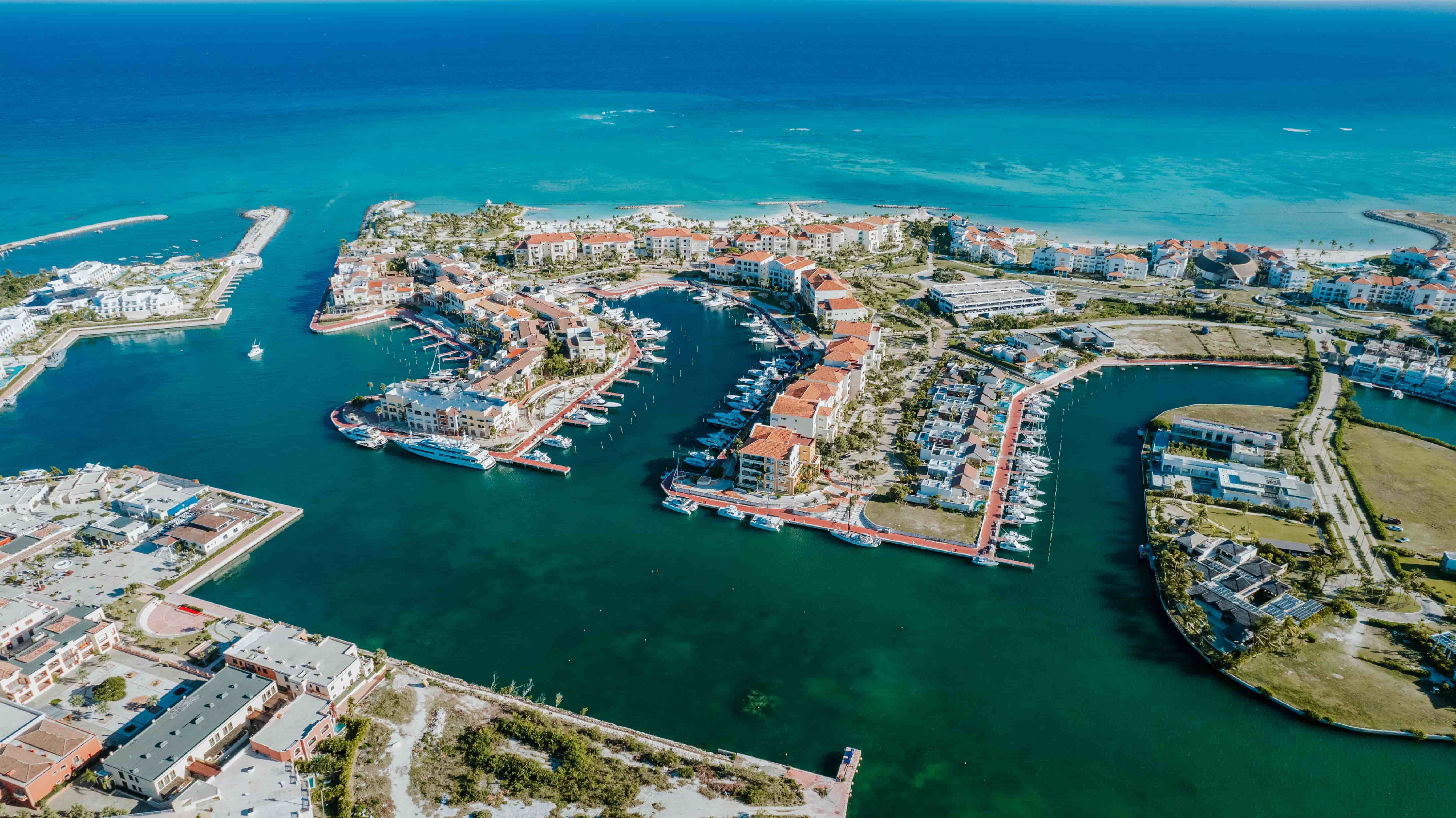
Ultra-luxury, supply-controlled, capital-appreciating.
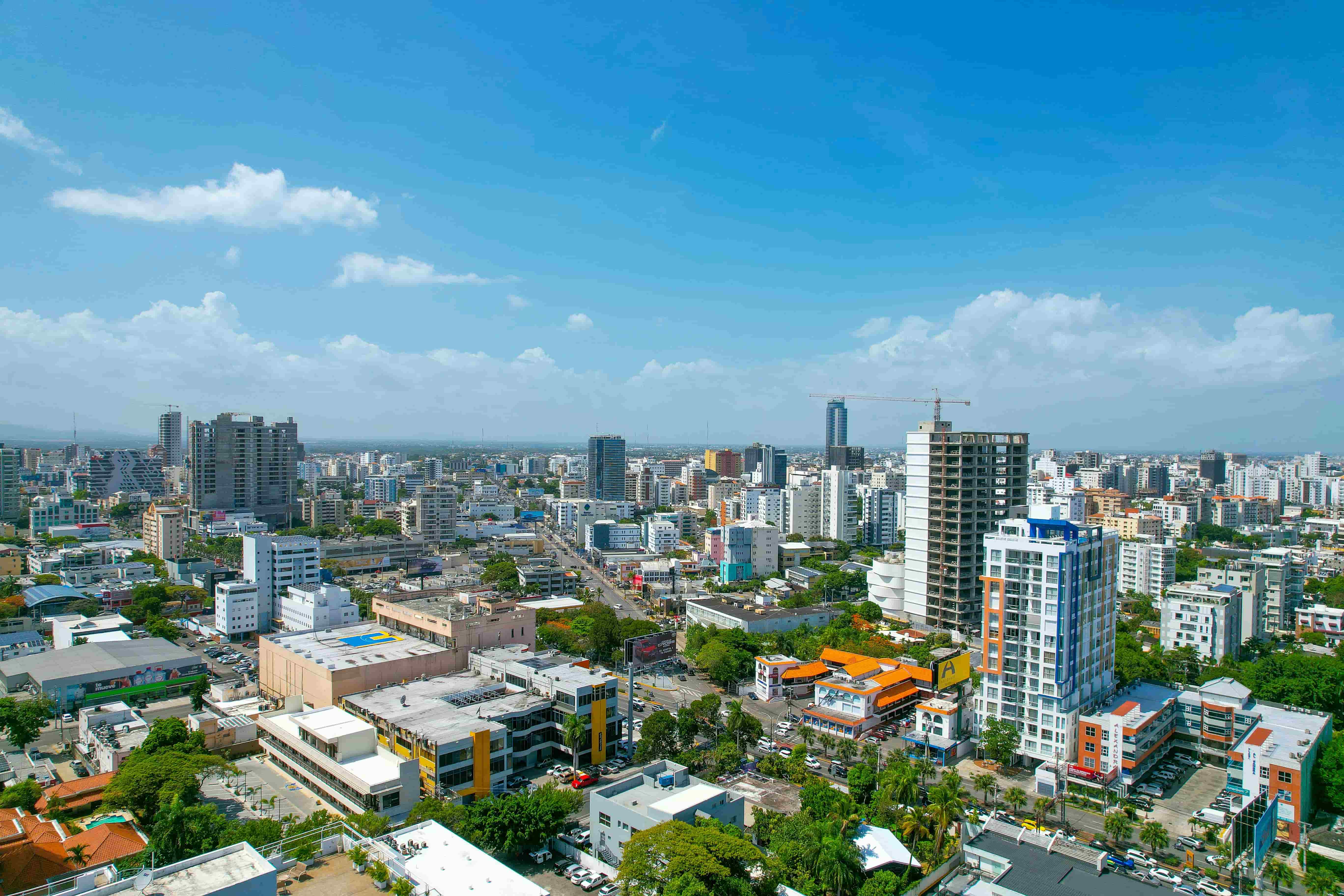
The Caribbean's largest economy. The region's most institutional market.